Top Stories
Mining
The Changing Face of Community Development Agreements in Global Mining
July 24, 2026 / Admin
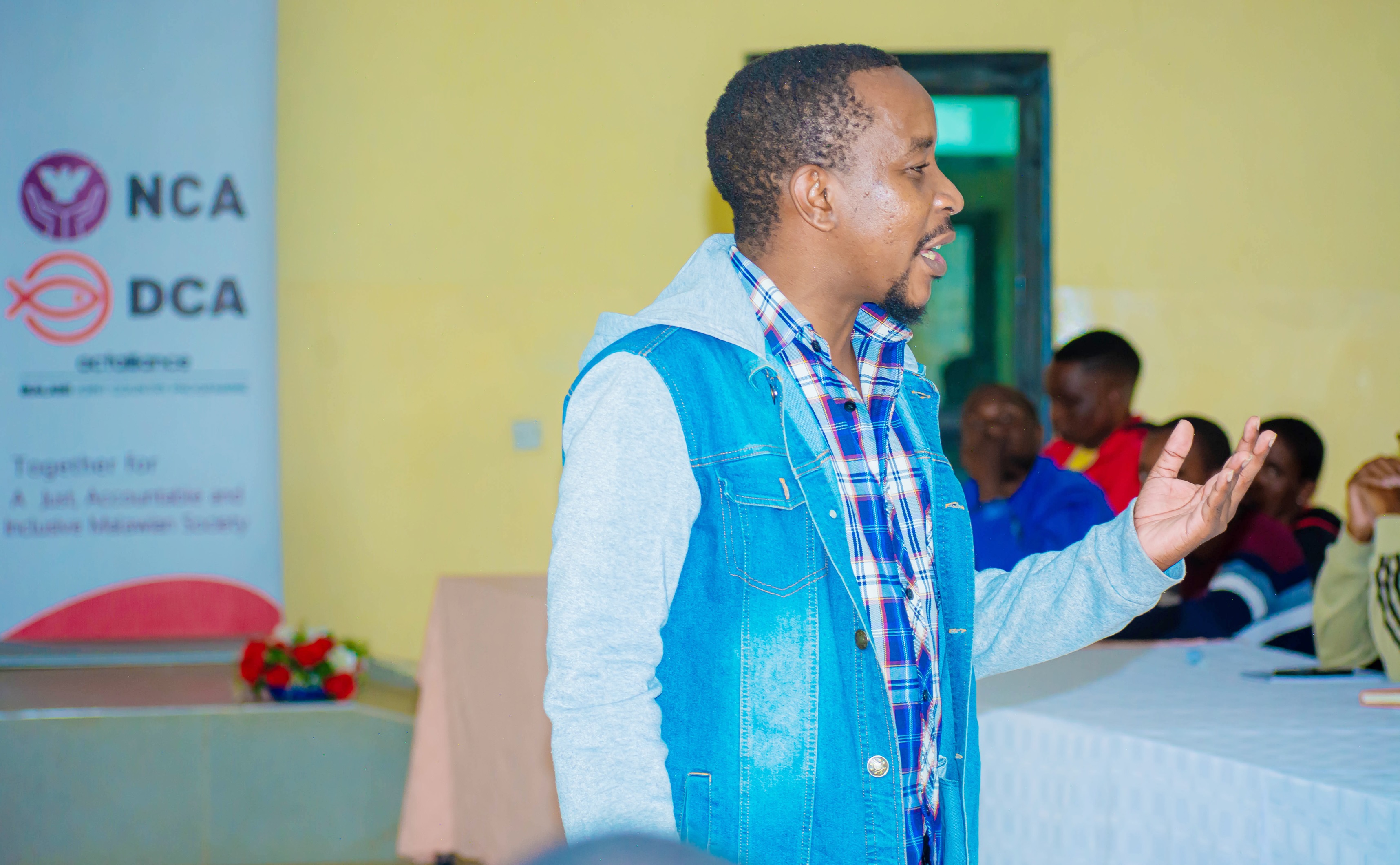
When a mining company arrives in a rural community, the promise is often simple; jobs, schools, roads, and prosperity. The reality, as documented across thirty-two countries with community development provisions in their mining codes, is far more complex. The instruments designed to deliver these benefits, thus the Community Development Agreements |(CDAs), have evolved into a bewildering array of models, each with distinct advantages, profound limitations, and very different implications for the communities they are meant to serve.
The global mining industry has moved decisively beyond the era when corporate social responsibility meant writing cheques to local charities or building the occasional school. Today, CDAs are sophisticated legal instruments that can determine whether a community benefits from resource extraction or is left impoverished when the mine closes. Yet despite decades of experience, the evidence suggests that success remains elusive: legal provisions on paper rarely guarantee implementation on the ground, and communities continue to struggle against agreements that promise much but deliver little.
At their simplest, CDAs come in six principal forms, thus:
1. the Benefit-Sharing Model, where communities receive a percentage of revenues or profits;
2. the Shareholding Model, where they become partial owners of the mining operation;
3. the Community Trust Model, which establishes legal entities to manage funds on behalf of communities;
4. the Foundation Model, similar to trusts but operating under corporate law;
5. the Direct Expenditure Model, where companies provide infrastructure and services directly; and
6. the Hybrid Model, which combines elements of all the others.
The Benefit-Sharing Model, also known as the revenue-sharing model, appears straightforward. Sierra Leone's Mines and Minerals Development Act 2022 requires large-scale mining license holders to contribute 0.25 percent of the ex-mine price of minerals sold annually to primary host communities, just as the Malawian model.
The model's appeal lies in its predictability and transparency. When payments are calculated based on objective metrics such as production volume or revenue, communities can anticipate funding flows and plan development activities accordingly. The formula-driven approach reduces negotiation costs and conflicts, while creating automatic alignment of interests: when community benefits increase with production, communities have economic incentives to support mine operations rather than oppose them.
Yet the limitations are equally compelling. Mineral prices fluctuate dramatically based on global market conditions, creating boom-bust cycles in community funding. When commodity prices collapse, communities dependent on benefit-sharing payments face sudden budget shortfalls, disrupting development projects and creating dependency rather than sustainable growth. The Model Mining Development Agreement guidance warns that managing government revenue stability during price fluctuations requires capacity building before revenues arrive, a requirement rarely met in practice. Weak enforcement mechanisms plague these agreements in many countries where there are legal provisions but no regulations or guidelines.
The Shareholding Model represents a fundamental shift from beneficiary to owner. Under this arrangement, host communities receive direct ownership stakes in mining operations, entitling them to dividends and capital appreciation like any shareholder. The transformative potential is undeniable. When communities become owners rather than beneficiaries, the relationship with mining companies shifts from transactional to partnership-based. Communities have legal rights to information, participation in shareholder decisions, and a share of enterprise value appreciation over time. Equity ownership typically carries voting rights and board representation, giving communities formal channels to influence decisions affecting their welfare. The model illustrates how equity can translate into genuine governance participation rather than passive benefit receipt. But the challenges are substantial. Community equity stakes are typically purchased through loans that must be repaid from dividends before any funds become available for development projects. In South Africa's renewable energy programme, which has influenced mining sector thinking about community equity participation, one can note that there are long delays in funds becoming available because of the need to repay loans for the equity. Communities may wait years before seeing any tangible benefits from their ownership stakes. Effective equity ownership also requires understanding of financial statements, corporate governance, valuation, and investment strategy capabilities rarely present in mining-affected communities without extensive capacity-building investments. Without these capabilities, community board representatives may be outmatched by sophisticated corporate counterparts.
The Community Trust Model attempts to address these governance challenges by establishing legally constituted trusts that receive mining revenues and manage their distribution for community benefit. Trusts are distinct legal entities with fiduciary duties to beneficiaries, governed by trustees who may be appointed by companies, communities, government, or some combination. South Africa has the most extensive experience with this model, but the results have been sobering: in the decades since the Mineral and Petroleum Resources Development Act of 2002 required mining companies to set aside revenue percentages for community development, there are few examples of a truly successful model.
The problems are systemic. Trusts have been plagued by conflicts over trustee positions, disagreements over fund spending, and community perceptions of failed consultation. Community members fight for the scarce roles of community trustees; company and community members do not agree on how funds are spent; communities feel aggrieved at the lack of consultation and, ultimately, what they perceive to be the failure of trusts to deliver tangible, sustainable and positive impacts on their lives. Trustee positions create patronage opportunities, and competition for appointments can divide communities. Trust management requires legal, financial, and project management capabilities rarely present in mining-affected communities. Companies viewing trusts as a necessary frustration and tick-box exercise produce failed trusts.
The timing of trust establishment compounds these problems. In South Africa's renewable energy programme, trust deeds must be submitted before the financial close of the project, which does not allow for community consultation. By the time communities learn about trusts, many important decisions have been made on their structure, management and purpose, forcing communities to make the trust work regardless of any gaps. Financial limitations further constrain impact, particularly in early years. Dividend payments from equity stakes may be modest, and loan repayment obligations consume available funds before any reach beneficiaries.
The Foundation Model, similar to trusts but operating under corporate rather than trust law, offers some advantages. Foundations have legal personality separate from both trustees and beneficiaries, can employ staff directly, enter contracts, and own assets in their own name. This makes operational activities easier; foundations can open bank accounts, employ staff, enter service contracts, and own property, activities difficult for unincorporated community groups or informal trusts. Charitable tax status in many jurisdictions offers financial benefits, as donations to registered foundations may be tax-deductible for mining companies.
Yet foundations face their own challenges. Governance distance between foundations and communities creates accountability challenges; foundation boards may become disconnected from beneficiary communities, pursuing priorities reflecting director preferences rather than community needs. The regulatory burden is substantial, with registration requirements, ongoing reporting obligations, and oversight that may exceed community capacity. Startup costs are significant, as legal fees for incorporation, registration with regulatory authorities, and establishment of financial systems may consume resources needed for community benefit.
The Direct Expenditure Model takes a different approach entirely. Rather than providing funds for communities to manage, companies directly provide benefits: building roads, schools, clinics, and water systems; providing training and employment; or delivering services including healthcare and education. A mine agreement here requires the investor to make its self-discovered water resources available for household purposes, herder families and agricultural activities, and to support the government in establishing safe drinking water for the local community.
Implementation speed is a primary advantage; companies have project management capabilities and resources that communities lack, enabling rapid infrastructure delivery. Quality assurance is enhanced through company control, ensuring infrastructure meets professional standards. Employment creation provides immediate community benefit, putting cash directly into community members' pockets and supporting social license to operate.
But paternalism remains the central critique. Direct expenditure models position companies as benefactors and communities as passive recipients, undermining community agency and perpetuating dependency relationships. Misalignment with community priorities is common; companies may provide infrastructure reflecting their priorities rather than community needs. A clinic is valuable, but a community prioritizing education may resent company allocation of resources to healthcare. Maintenance liabilities are often overlooked; companies build infrastructure but rarely fund ongoing maintenance, leaving communities with facilities they cannot sustain. School buildings without teacher salaries, clinics without medical supplies, and roads without repair budgets represent failed benefits. Sustainability concerns arise when mine closure ends direct expenditures, leaving communities with no ongoing benefit stream.
The Hybrid or Blended Model, increasingly recognized as global best practice, combines elements of multiple CDA types. These agreements typically include revenue-sharing or equity provisions creating ongoing funding streams, trust or foundation structures to fund governance, direct expenditure commitments for specific infrastructure or services, and local content requirements for employment and procurement.
Diversification of risk is the primary advantage. When communities benefit through multiple channels including equity, royalties, employment, infrastructure the failure of any single channel does not eliminate all benefits. Price volatility affecting royalties may not affect employment, and mine closure ending both may leave community-owned infrastructure as lasting legacy. Addressing multiple time horizons represents a second advantage; direct expenditures provide immediate benefits, revenue-sharing provides medium-term funding, and equity provides long-term value creation. Multiple accountability mechanisms enhance governance; when communities have equity voice, trust oversight, and employment relationships with companies, they have multiple channels for raising concerns and enforcing commitments.
Yet complexity is the hybrid model's central challenge. Negotiating agreements with multiple components requires legal, financial, and technical expertise that communities lack. Companies may exploit complexity to obscure unfavorable terms or evade commitments. Coordination requirements across multiple governance structures create administrative burdens that demand organizational capacity rarely present.
Globally, evidence from countries with CDA provisions reveals that no single model is universally superior. Model selection must consider community capacity, legal frameworks, mineral economics, and governance quality. High-capacity communities with legal, financial, and project management skills can manage complex trust or equity arrangements. Low-capacity communities may require simpler benefit-sharing or direct expenditure models with technical assistance provisions. Some countries mandate specific models through mining laws; others permit negotiated flexibility. High-value, long-life mines support equity and trust models requiring patient capital, while low-value, short-life mines may only sustain direct expenditures or modest benefit-sharing.
Emerging practice are that effective CDAs share common features regardless of model; thus including community consultation preceding agreement design; transparent financial management with independent audit; balanced governance giving communities genuine voice; dispute resolution mechanisms accessible to community members; capacity-building to enable community participation; and post-mining transition provisions for sustainability and economic diversification support. Countries like Sierra Leon, Ghana and Liberia have demonstrated that properly designed CDAs can deliver substantial community benefits. But implementation failures in most countries with CDA provisions reveal that legal mandates alone are insufficient. Political will, regulatory capacity, community mobilization, and sustained corporate commitment are equally essential.
The lesson is clear for Malawi, there is no silver bullet in community development agreements. The most sophisticated legal instrument produces no benefit if communities lack voice in its governance or capacity to enforce its provisions. As the global mining industry continues to evolve, the challenge lies not in designing perfect models but in building the institutional capacity, political will, and genuine partnership that make any model work. A good CDA should always have a structure, processes and institutions that are going to implement it. The success or failure of CDAs ultimately depends not on their form but on their implementation and that remains the industry's unfinished business.
Share this:
Leave a Comment
Comments
Mining & Trade Review News

Agribusiness News

Subscribe to Newsletter
Rehabilitation:
The establishment of a stable and self-sustaining ecosystem, but not necessarily the one that existed before mining began. In many cases, complete restoration may be impossible, but successful remediation, reclamation, and rehabilitation can result in the timely establishment of a functional ecosystem.
Archives
Remediation:
The cleanup of the contaminated area to safe levels by removing or isolating contaminants. At mine sites, remediation often consists of isolating contaminated material in pre-existing tailings storage facilities, capping tailings and waste rock stockpiles with clean topsoil, and collecting and treating any contaminated mine water if necessary.
Stakeholders Logos